
Simulated Bankroll Pokie Strategy Test: What to Weigh Before You Play
- Uncategorized
- No Comments on Simulated Bankroll Pokie Strategy Test: What to Weigh Before You Play
- Posted on
When I worked across aggregators and operators for Massive Gaming, I saw plenty of operators launch a simulated bankroll pokie strategy test and expect players to sort the rest out themselves. The reality in a busy Cairns pokies room or a quiet arvo at home is different. You need a tool that mirrors real conditions without pretending to be a crystal ball. This review looks at how that setup holds up for Australian adults who want to practice, compare approaches, and keep expectations honest before any real money ever touches the screen.
What the Simulated Bankroll Setup Actually Offers
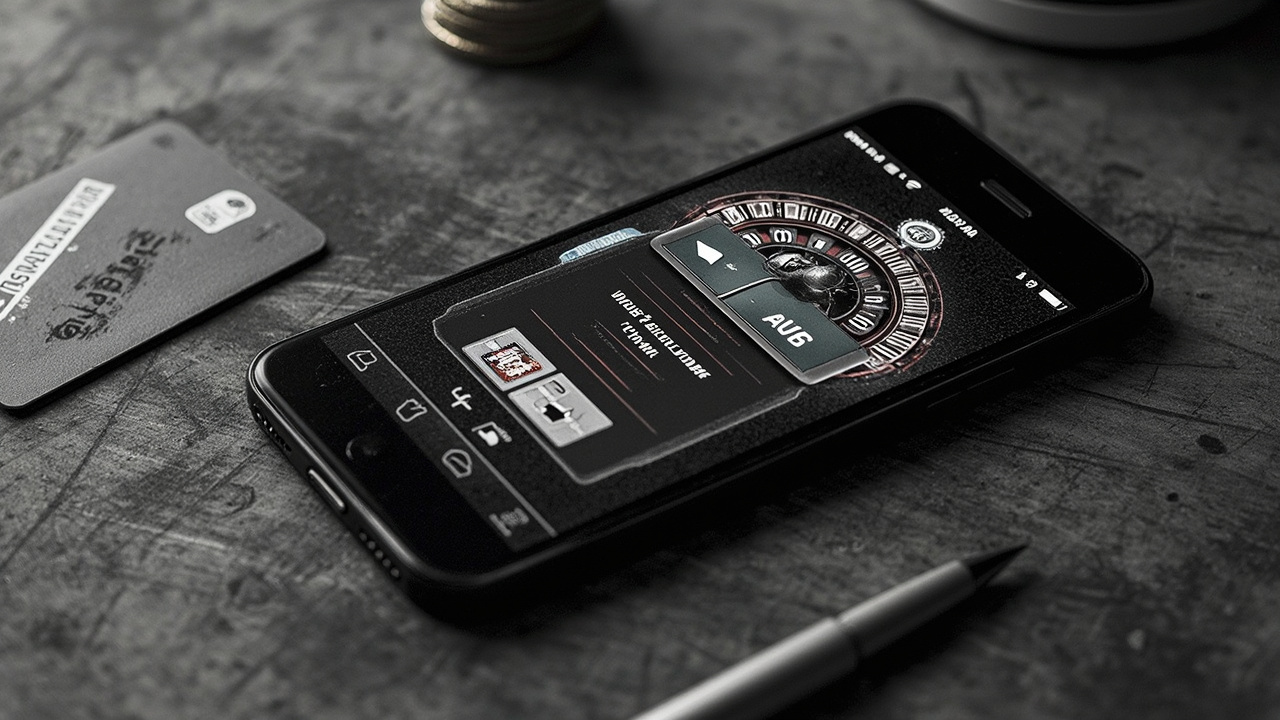
The platform positions itself as a practice environment rather than a shortcut to profit. You get a fixed virtual balance, a rotating pool of demo pokie titles from partner studios, and a clear reset button when a session runs dry. Three traits stand out: the bankroll resets in a predictable way, the spin mechanics mirror the demo versions you would find on licensed operator sites, and the interface keeps the numbers visible without clutter. For everyday that kind use, that means you can run a flat-bet session, watch how variance plays out, and stop without chasing losses that never existed in the first place. The whole thing sits comfortably on mobile, loads quickly on mid-range devices, and does not ask for payment details just to open a session. Registration is light, support is reachable through a straightforward help channel, and a simple loyalty loop rewards consistent practice with cosmetic badges rather than vague promises. When I compare that to distribution work I have handled across studios and operators, the difference is plain: a well-built practice tool removes friction and keeps the focus on decision-making, not on selling a fantasy.A practical guide to craps bankroll
Questions Worth Weighing Before You Start
A practical test only helps if you know what you are measuring. Start with the balance size, because a virtual bankroll that is too small hides variance and one that is too large feels detached from real stakes. Next, decide whether you are testing bet sizing, session length, or stop conditions, since mixing those goals in one run usually muddies the picture. The table below keeps the common approaches side by side so you can pick one lane and stick to it.
| What you are testing | Typical virtual bankroll | Bet approach | What the result can tell you |
|---|---|---|---|
| Bet sizing tolerance | Modest, fixed amount | Flat bet across spins | How quickly a run can drift against you |
| Session pacing | Medium balance | Same bet, timed stop | Whether you quit while the session is still readable |
| Stop-loss discipline | Smaller balance | Flat or stepped bet | Whether you actually stick to a pre-set exit |
Pick one question, run the session, and write down what happened while it is fresh. Leo Martin, Commercial Director, Southern Reef Gaming, put it plainly when we spoke about practice tools: “A simulated bankroll only earns its keep when players treat it like a mirror, not a map.” That line matters because a mirror shows behaviour, whereas a map tempts you to pretend the next spin is sorted. If you are the sort who likes a fair go, use the session to check your own habits before you ever sit down with real credits.
How the Strategy Test Holds Up in Practice
The strongest use for a simulated bankroll pokie strategy test is discipline, not prediction. You can rehearse a fixed bet, watch a string of results, and see whether you actually stop when the plan says stop. On a good day, that repetition builds a habit you can carry into a real session, where the pace feels different and the temptation to bend the rules is real. The weak spot is the temptation to over-read a short run, because a virtual balance can produce a neat winning streak that feels meaningful and then vanishes on the next reset. Oliver Nelson, Customer Experience Lead, Pacific Player Protection Institute, cautioned against that drift: “Practice environments are useful for timing and limits, but they cannot teach the emotional part of walking away.” That caveat fits the Australian context well, where a casual arvo session can turn into a long one if you do not set a hard stop. A solid test keeps the numbers honest, keeps the session short enough to stay readable, and reminds you that variance is the point of the exercise, not a puzzle to solve. If you want a related angle on bankroll discipline in a different game, a practical guide to craps bankroll strategy lays out a similar mindset around limits and session control.https://puckfairbar.com/
Where Cairns Players Might Find It Fits
For players around Cairns, the appeal is mostly about convenience and control rather than glamour. You can run a session after work, check how a bet plan behaves, and step away without the pressure of a busy venue floor. The mobile layout helps when you are not near a desktop, and the light registration keeps the barrier low for a quick practice run. Just keep the local reality in mind: simulated play is not a substitute for licensed, regulated casino play, and it does not change the rules of any real venue or real-money operator. Treat it as a rehearsal space, set a time limit, and do not let a neat virtual run convince you that the next real session will behave the same way. If the tool helps you leave with your plan intact, it has done its job.
A simulated bankroll pokie strategy test works best when you use it to rehearse limits, not to chase certainty. Pick one question, run a clean session, and judge it by whether you stuck to the plan rather than by whether the virtual balance looked friendly. Keep expectations grounded, keep the session short, and treat the practice as a mirror for your own habits before you ever put real money on the line.